
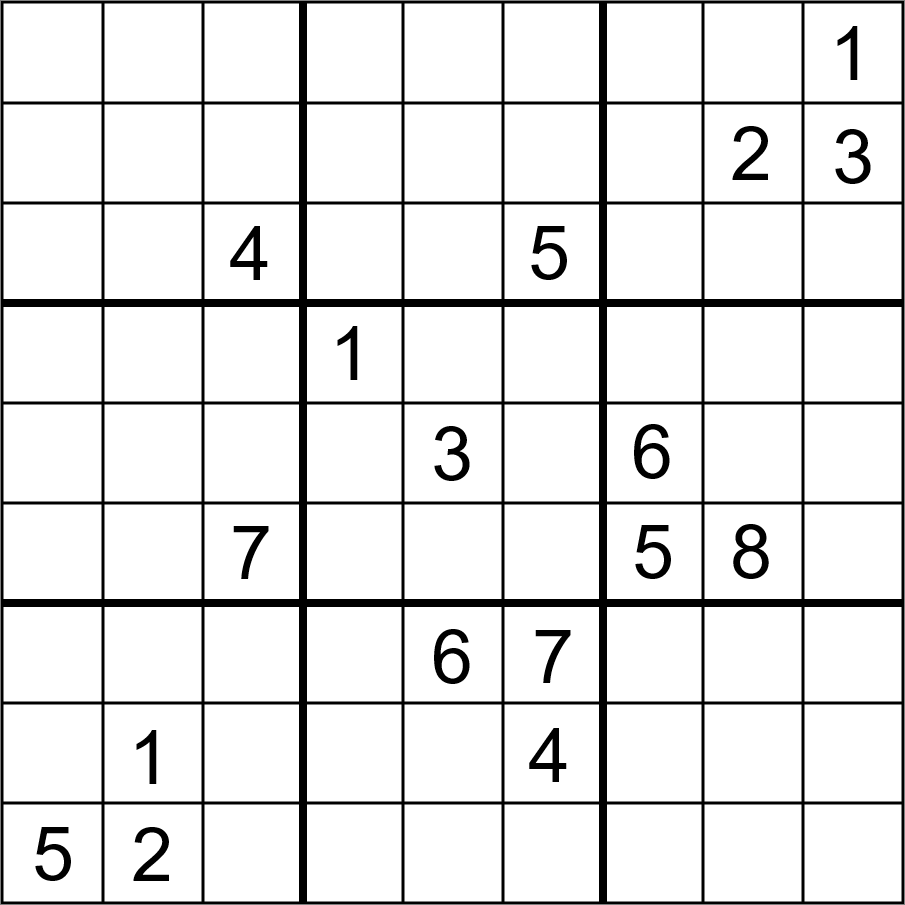
A sudoku championship room looks very different from a quiet lunch-break puzzle, but the gap is smaller than it first appears. Fast solvers do not rely on lucky flashes. They rely on order, error control, and a calm scan, which is exactly the kind of routine that also helps on a site like NY Times Sudoku.
What sudoku championship players do first
Most strong competitors start by clearing the easiest constraints instead of hunting for something dramatic. The organized puzzle scene around the World Puzzle Federation reflects that same idea: speed is useful, but clean logic is what keeps mistakes from spreading.
That is a useful reminder for ordinary players. If a row or box looks crowded, move away and solve where the information is clearer.
Why the scan matters more than speed
Many casual players bounce around the grid and wonder why the puzzle feels messy ten moves later. Better solvers work in a loose order. They clear simple rows, revisit changed columns, and only write notes where the board genuinely needs them.
The habit worth copying
The most practical championship habit is not some secret advanced trick. It is the discipline to stop, reset, and read the board again before forcing a weak move.
A better way to practice
The easiest way to test those habits is to solve one grid more slowly than usual and pay attention to your order. Cleaner scans usually save more time than rushing does.
- Play on NY Times Sudoku
- Find more sudoku posts on NY Times Sudoku
- Visit the World Puzzle Federation
- Read Nikoli’s Sudoku background page
Championship Sudoku can look intimidating from the outside, but the underlying lesson is simple. Strong solvers make the board smaller by staying organized, and that works at every level.