
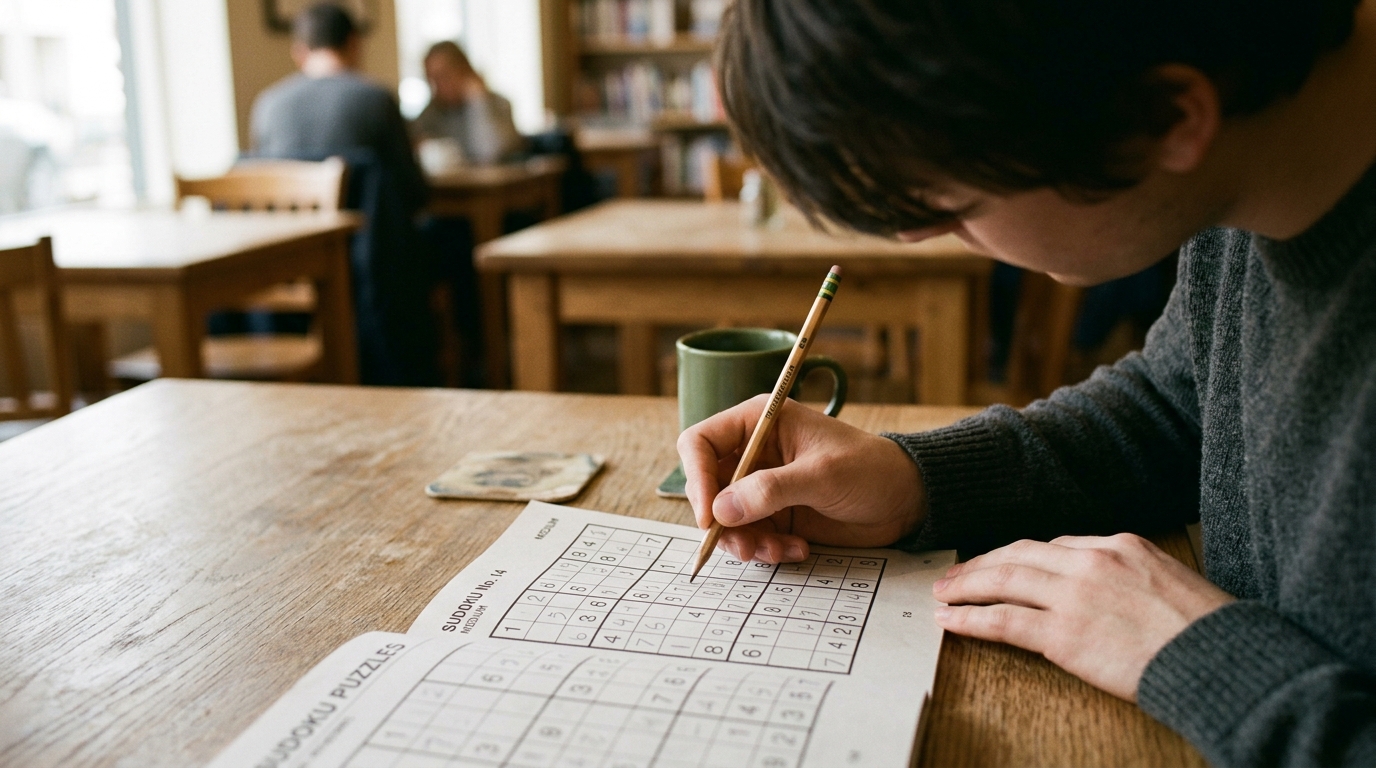
newspaper sudoku habit is the kind of puzzle advice that earns its keep during an actual game. It should help a player make the next move with less guessing, not just sound tidy in a headline.
On NY Times Sudoku, the best use of that advice is practical. A reader can try one round here, then keep exploring broader daily puzzle practice on Easy Daily Puzzle when they want another game style.
For a quick local start, open NY Times Sudoku main page. For a wider puzzle library, browse more daily puzzles on Easy Daily Puzzle gives the reader a natural next stop without forcing the article to become a sales pitch.
Why newspaper sudoku habit works as a short daily habit
Puzzle routines work when the game has a clear beginning and a small finish line. Sudoku does that well because a player can make progress without learning a new interface every morning.
The habit is modest, which is part of the appeal. A short puzzle break gives the mind one clean problem. It is enough structure to focus, but not so much pressure that the session feels heavy.
How to use newspaper sudoku habit in a real game
The useful test is simple: can the reader try the idea on the next board, grid, image, or deal? If yes, the advice belongs in the post. If not, it is probably just decoration.
For sudoku, the strongest advice is usually small enough to remember during play. A player does not need a theory lesson. They need one cleaner habit that changes the next move.
- Scan the busiest rows and boxes before writing anything.
- Use candidate notes only where the board truly branches.
- Check row, column, and box together before trusting a number.
- Move away from stuck corners and let another section create information.
- Treat an almost-certain number as unfinished until it is forced.
newspaper sudoku habit and the mistake to avoid
The usual mistake is writing before reading. A number that feels likely is not enough; the row, column, and box all have to agree. The fix is rarely flashy. It is a pause, a second scan, or a decision to keep space available rather than spend it too early.
This is where newspaper columnist writing works better than a formal lesson. The reader should feel as if another player is pointing at the board and saying, “try looking here first.”
Why newspaper sudoku habit feels useful after one round
A good puzzle habit proves itself quickly. After one round, the player can usually tell whether the board felt cleaner, whether fewer guesses were needed, and whether the hard moment arrived later than usual. That small difference is enough reason to keep practicing.
The point is not to make sudoku feel serious or academic. The point is to make the next session less messy. A player can still treat the game as a break while using better habits in the background.
This is also why a useful puzzle page should leave the reader with somewhere natural to go next. The local page gives them the current game. Easy Daily Puzzle gives them the broader puzzle shelf when they want another style after this one.
A simple practice plan for newspaper sudoku habit
Try one round with a single rule: do not make a move unless you can name what it opens. In sudoku, that may be a row or box. In crossword, it may be a crossing letter. In card games, it may be a hidden card or an empty space. In jigsaw, it may be a reliable patch of color or edge.
That little naming habit slows the first minute down, then speeds the rest of the game up. It keeps the player from mistaking motion for progress, which is the trap behind many ordinary puzzle mistakes.
Where to play next
After one round on NY Times Sudoku, it makes sense to keep the session moving on the main puzzle hub. Try more casual puzzle games on Easy Daily Puzzle or use Easy Daily Puzzle search for sudoku to find another puzzle mood.
For background outside this site network, Nikoli's Sudoku background and Conceptis on Sudoku history are useful references. They help place the game in a larger puzzle tradition without making the post feel like a school report.
What to remember about newspaper sudoku habit
The best puzzle habits are quiet. They do not make a player feel clever for one move and lost on the next. They make the whole board easier to read.
That is the practical value of newspaper sudoku habit. Try one habit, watch whether the game becomes less messy, and keep the habit if it helps. A puzzle site earns repeat visits when the next round feels a little clearer than the last one.