
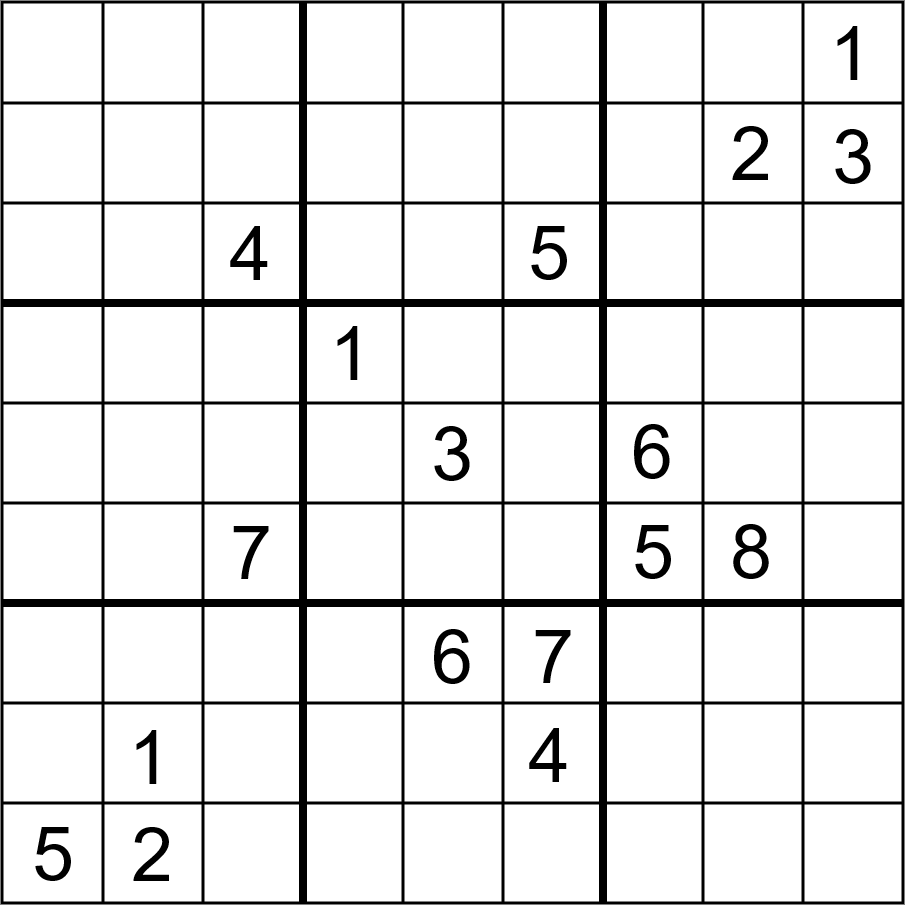
A timed Sudoku round rarely goes wrong with a dramatic crash. More often, one doubtful number stays on the page long enough to make every later decision feel urgent. Sudoku competition recovery gives that moment a name, but the useful part is the habit behind it. The aim is not to make every move look clever. It is to make the next move easier to explain.
Why Sudoku competition recovery matters on an ordinary puzzle
Sudoku competition recovery is useful because timed solving combines accuracy with pressure. The World Puzzle Federation provides a wider view of organized puzzle events, but formats differ by contest. The reliable habit across formats is simple: isolate the doubtful move, undo it cleanly, and restart from the last confirmed fact. A player does not need a special setup to use this idea. It works during a short browser session, on a printed page, or in the middle of a game when attention is starting to drift.
Sudoku rewards a particular kind of attention. The board does not ask you to remember a long story or recognise a picture. It asks you to compare small relationships again and again. That is why a narrow scan can be stronger than a grand plan. One row limits a box, the box limits a column, and the new number sends information back through the same three units. The player who keeps that loop visible usually makes fewer repairs later. If the scan feels dry, shorten it: choose one digit, one unit, and one reason for every mark.
The wider background is worth keeping nearby. Nikoli’s Sudoku background offers useful context for this puzzle family, while Conceptis Sudoku history overview gives a second view of its rules or history. The sources differ in purpose, but both support the same practical lesson: a clear structure gives the player something reliable to inspect.
How to use Sudoku competition recovery without forcing it
When a contradiction appears, stop adding numbers. Find the latest placement that depended on a guess or a weak candidate. Remove that move, restore the affected notes, and rescan the smallest changed unit before looking across the whole board. Start with a legal move and let the evidence narrow the field. If the position does not improve, stop. A good technique is a filter, not a command to keep pushing the same idea after the board has moved on.
A short routine for the next game
Practise a recovery checkpoint: mark uncertain moves lightly, pause after a contradiction, erase the newest weak assumption, and name one confirmed restriction before continuing. The checkpoint keeps a mistake from becoming an emotional event.
- Stop when a contradiction appears.
- Find the newest weak assumption.
- Restore the affected row, column, or box.
- Continue from a confirmed restriction.
The mistake that makes this idea feel harder
The common trap is trying to repair a wrong branch by adding more numbers. That turns one uncertain cell into a story you must defend. Another mistake is restarting the whole puzzle when only one local assumption needs to be removed.
What to remember when the board changes
Recovery does not mean losing time. It is a way to stop paying interest on a bad move. A clean reset can leave you with more useful information than a frantic attempt to save the old line. That is also why Sudoku competition recovery should stay practical. Use it when it describes the board in front of you, then return to ordinary reading when the evidence changes. A puzzle is allowed to ask a different question on the next move.
If Sudoku competition recovery does not produce a move today, that is useful information too. Leave the position clean, keep the strongest clue visible, and come back after one ordinary move. Techniques become reliable through that small return: notice the signal, test it, record what changed, and stop before the idea turns into a guess. Over time, the pause becomes part of your solving rhythm rather than a sign that the puzzle has defeated you.
Keep the session concrete. Name the clue, make one reversible change, and look again. That is enough for a useful practice round, even when the puzzle is unfinished. A short note about what changed makes the next session easier to start.
A useful stop point is one confirmed change. If the next move still feels unclear, leave the grid clean instead of adding a speculative number. Returning to a stable position is part of solving, not a pause from it. The board will often look different after a short break because the strongest restriction is easier to see when the last guess is no longer competing for attention.
For a live session, play more puzzles on ny-times-sudoku.com. When you want a related example, browse related posts on this site. You can also try another daily puzzle at Easy Daily Puzzle or find more puzzle guides on Easy Daily Puzzle. Keep the next step simple: play one puzzle, try the routine once, and notice which decision became clearer.